History of rushnyky
What is a rushnyk?
The word “rushnyk” (рушник) refers in Ukrainian to a long piece of cloth, often embroidered, that accompanies social and religious life. It appears in homes, on icons, at weddings and funerals: it marks a threshold between the everyday and the sacred, the living and the ancestors.
A textile of daily life and ritual
The rushnyk shapes domestic space — around icons, the bed, the threshold — and marks transitions: it is not a decorative “folklore” accessory outside real life, but a woven witness to it.
Main uses
Birth, marriage, baptism, mourning, feast days: each moment may call for specific motifs, colours, or gestures (to offer, to cover, to stretch). The variety of pieces reflects this range of roles.
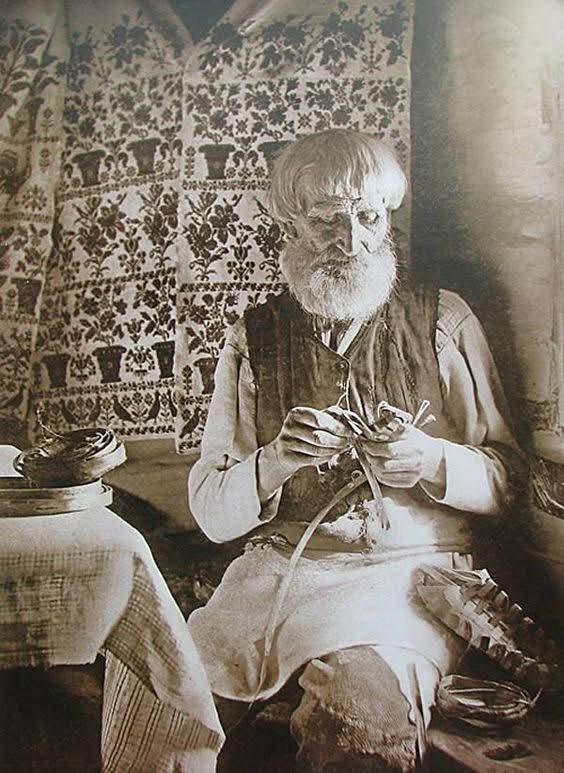
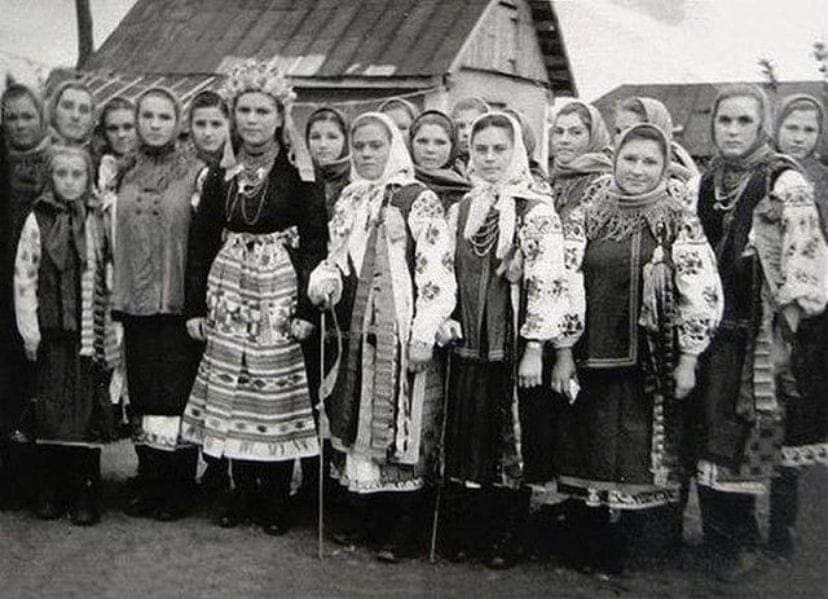
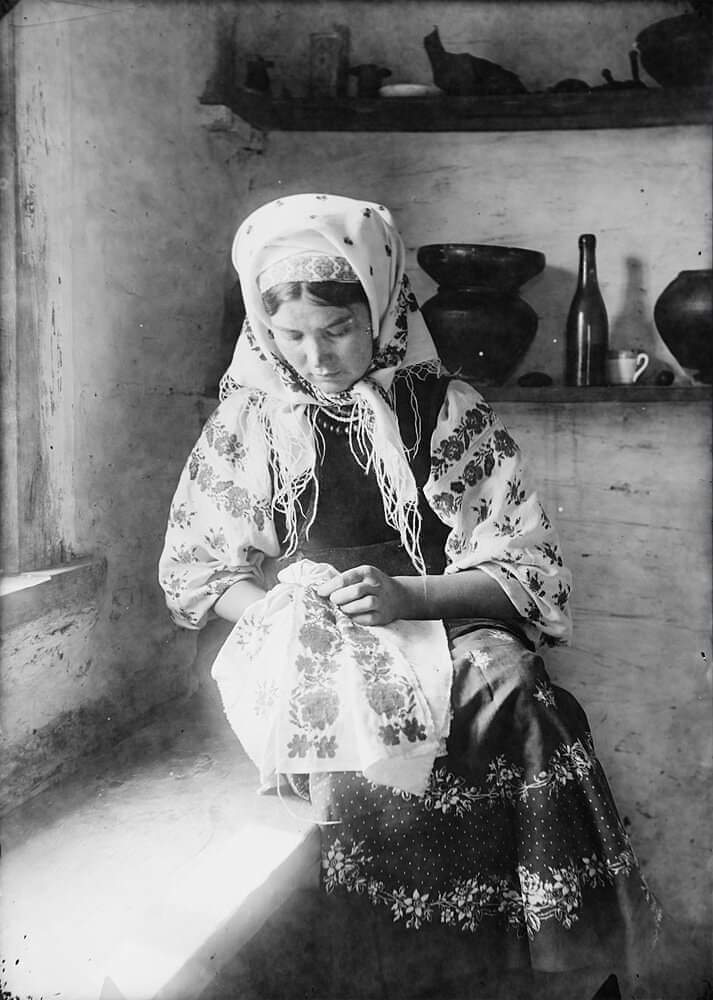
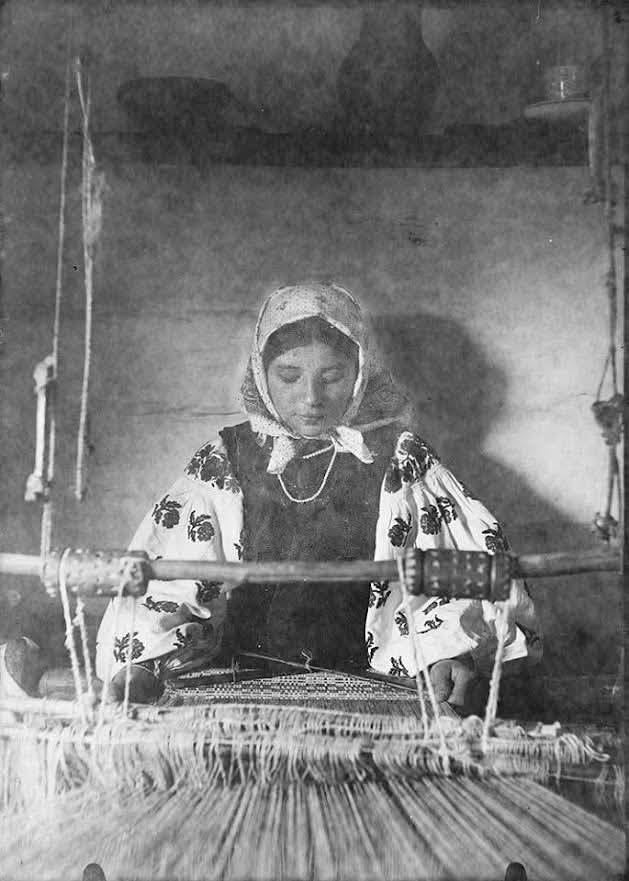
Historical photographs and textile crafts
Symbols and motifs
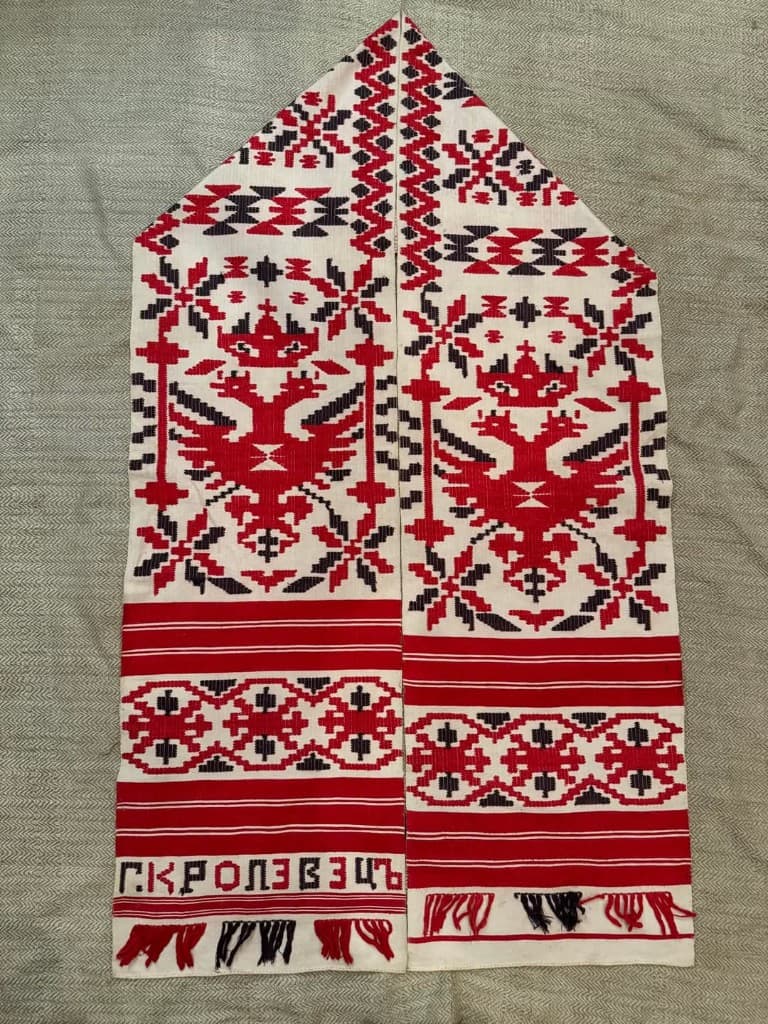
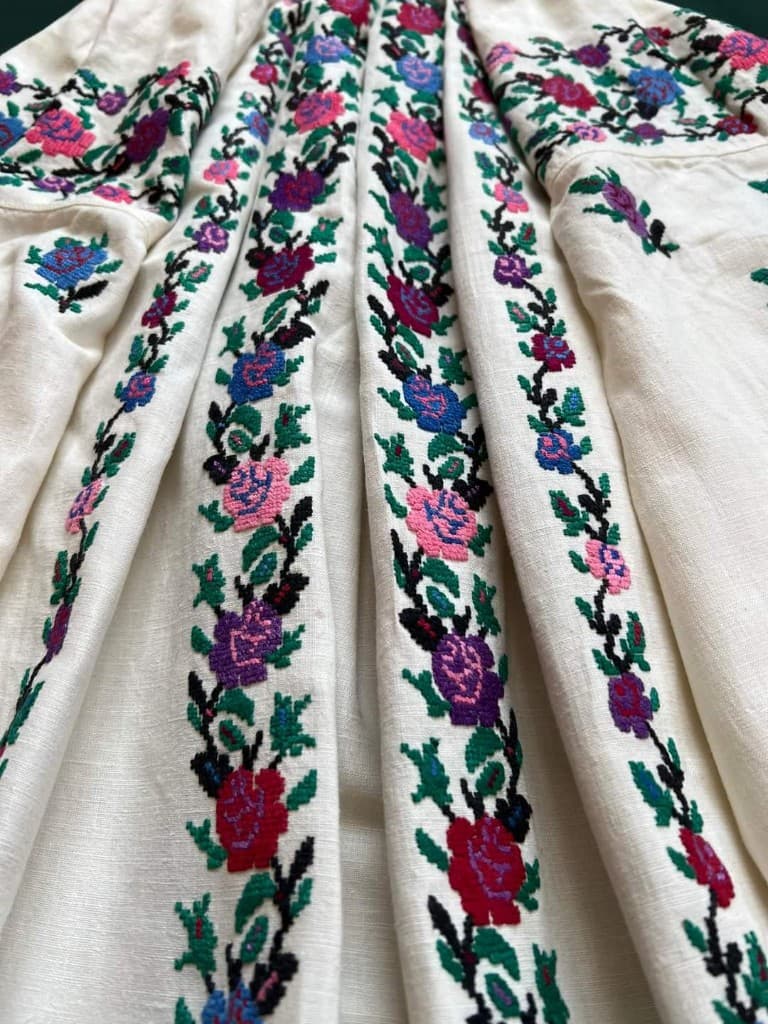
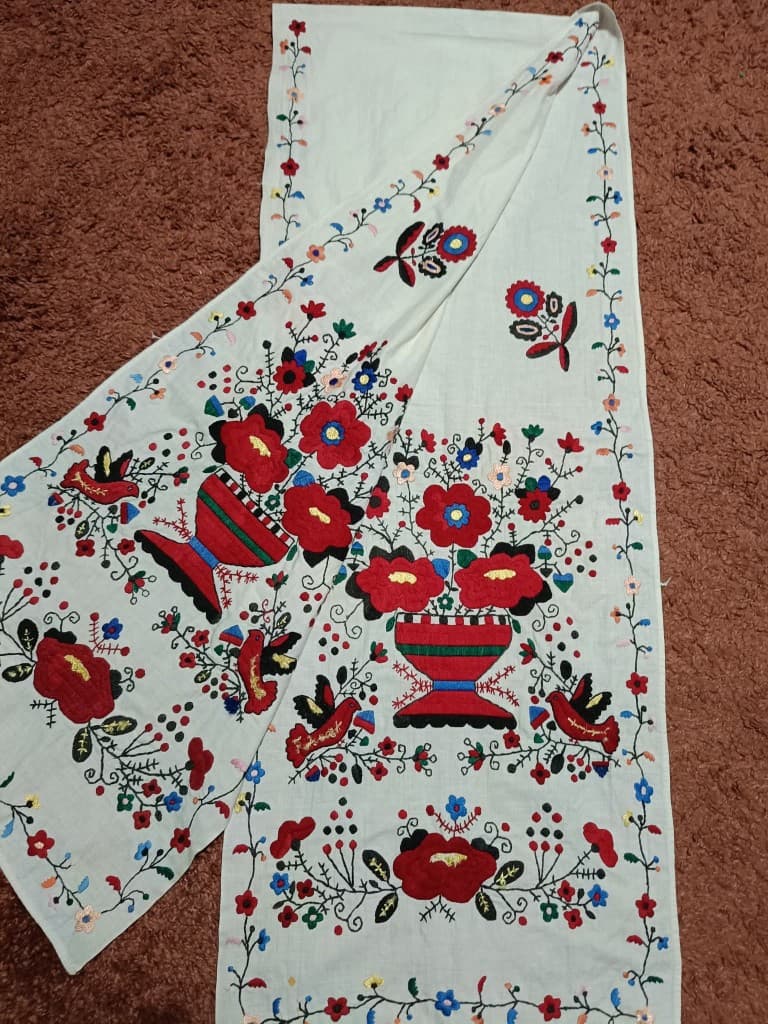
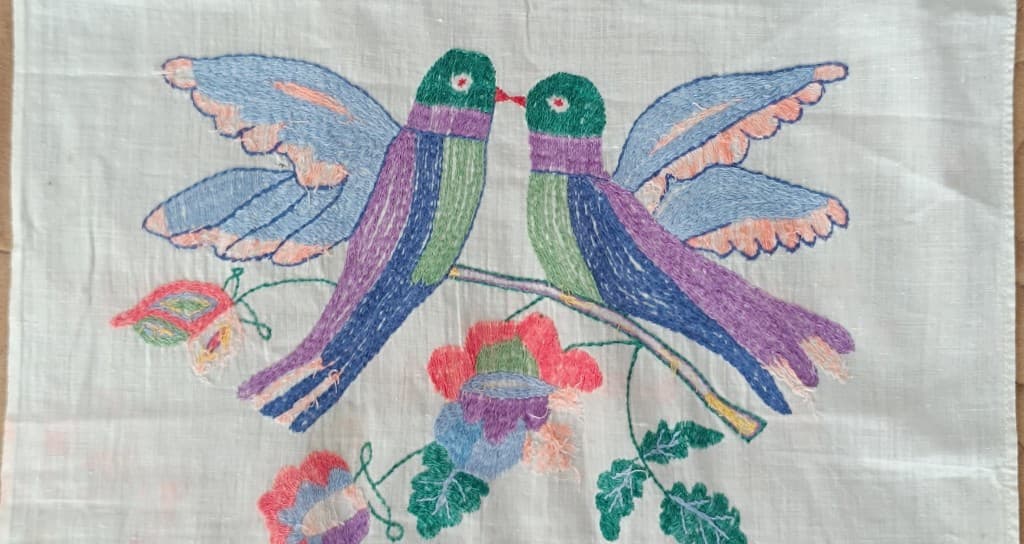
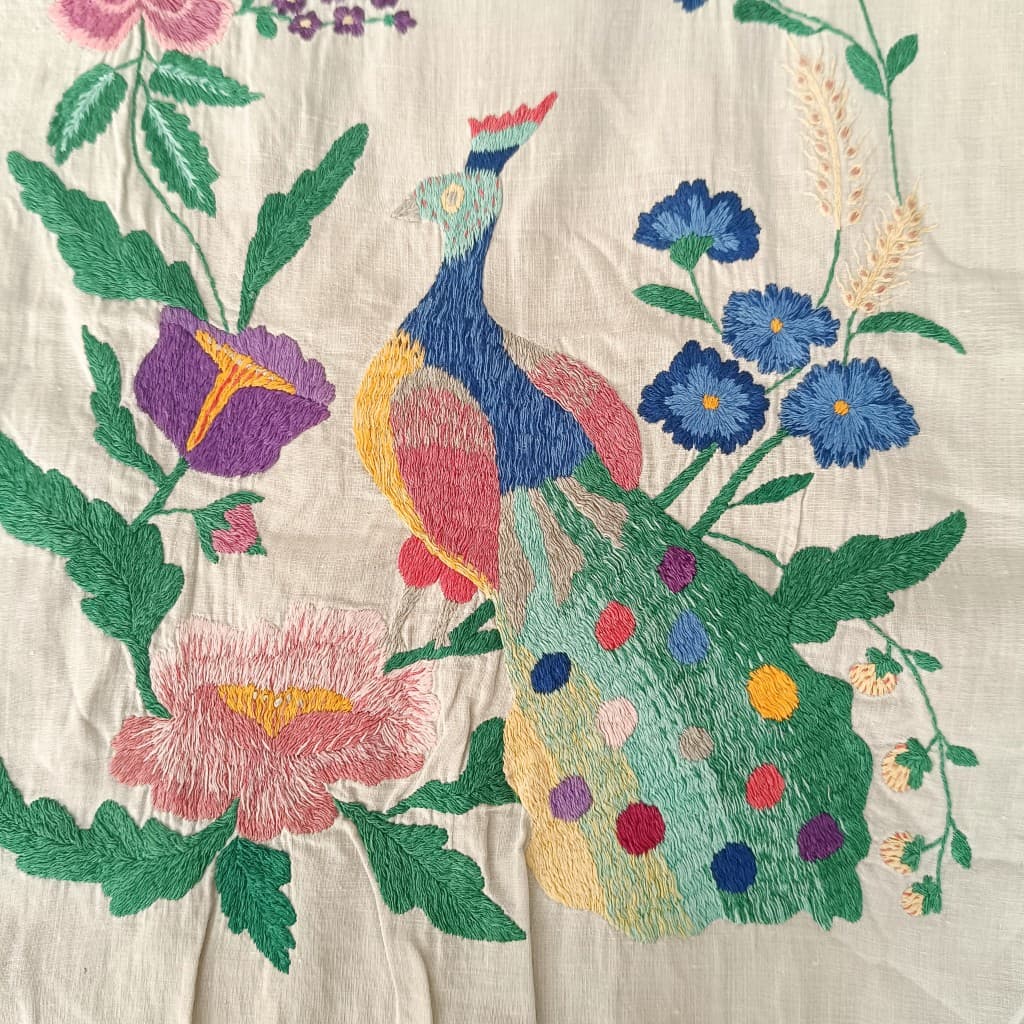
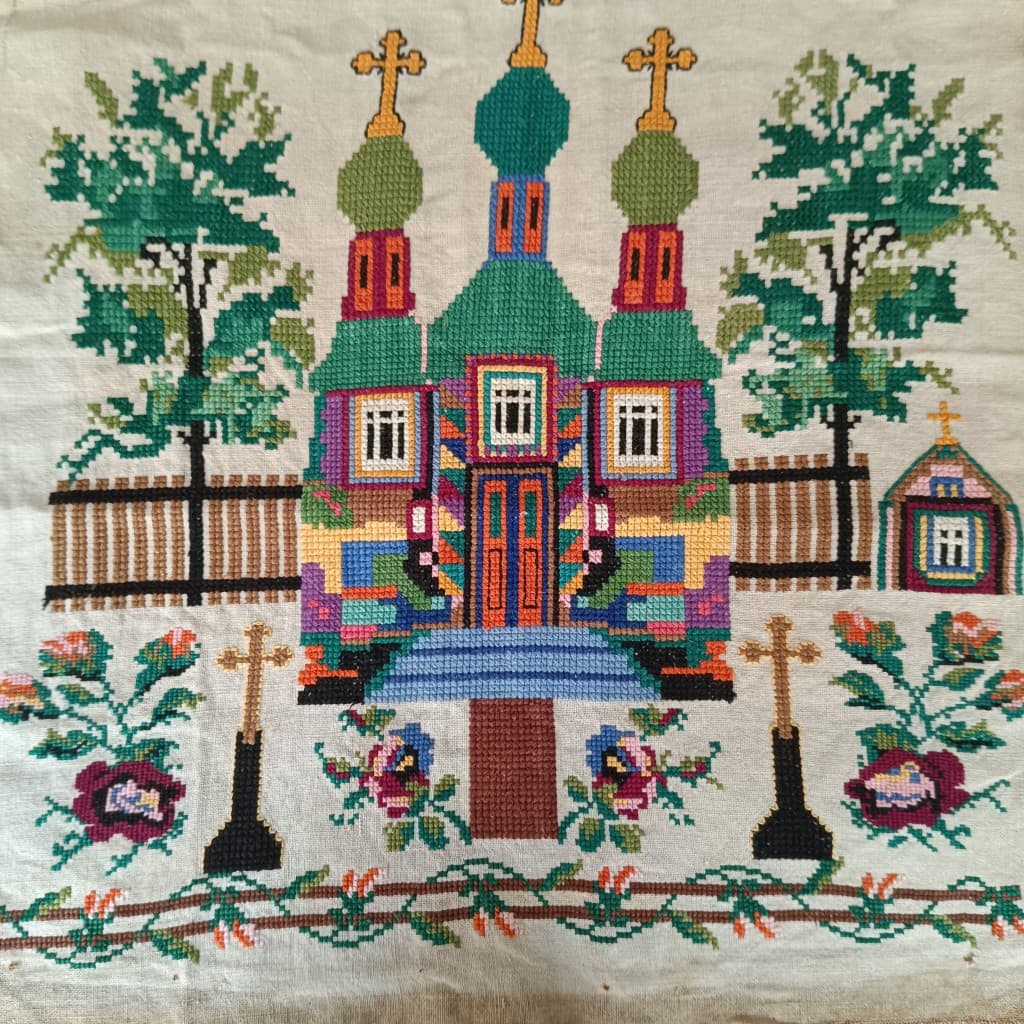
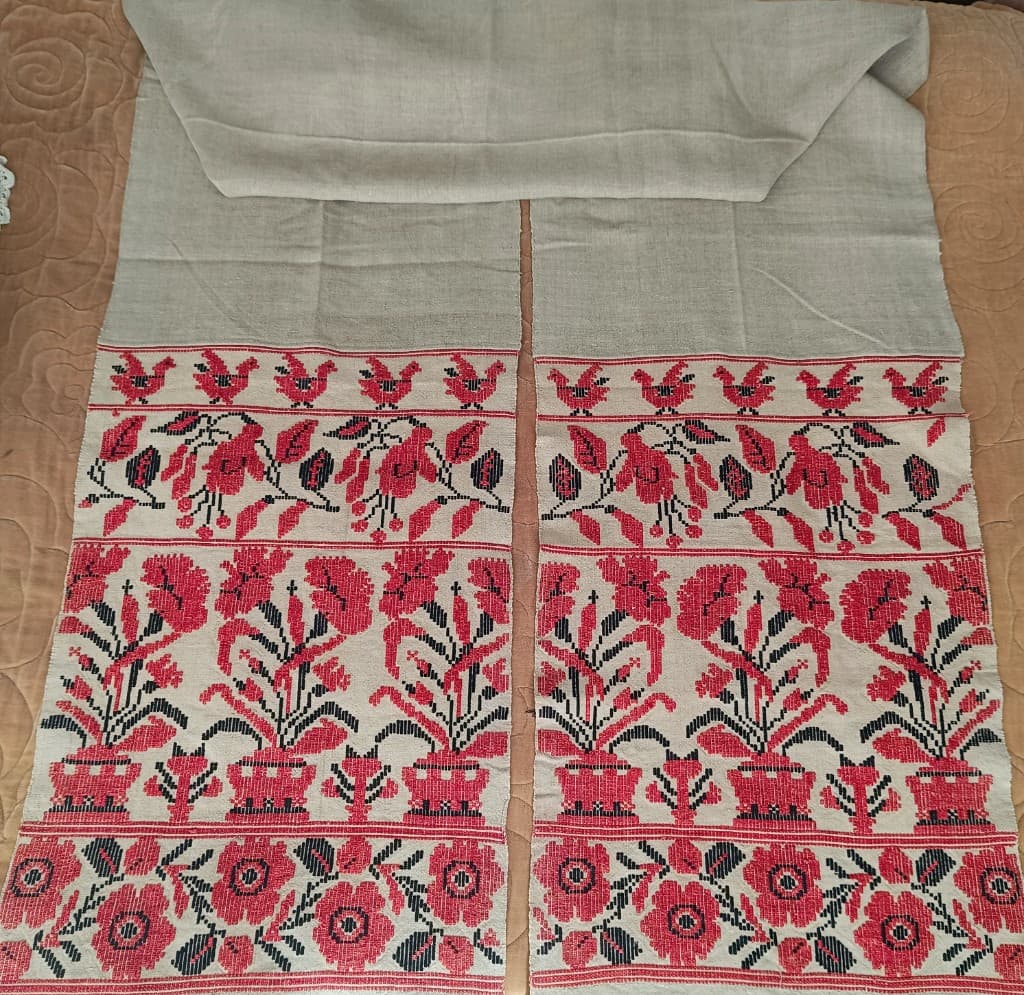
The symbolism of motifs belongs to a shared language: the tree of life, birds, vine, or roses are not merely decorative — they express fertility, protection, memory, and continuity of the lineage. A rushnyk offered or laid on a coffin is not a mere object: it seals a promise or a farewell.
Regional variation
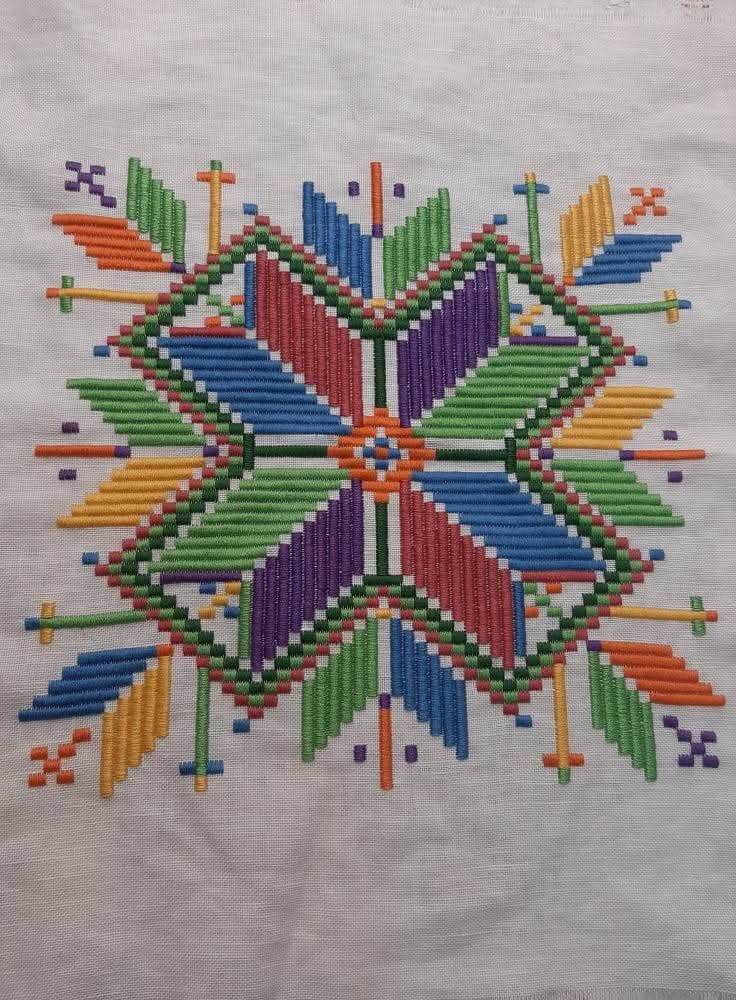
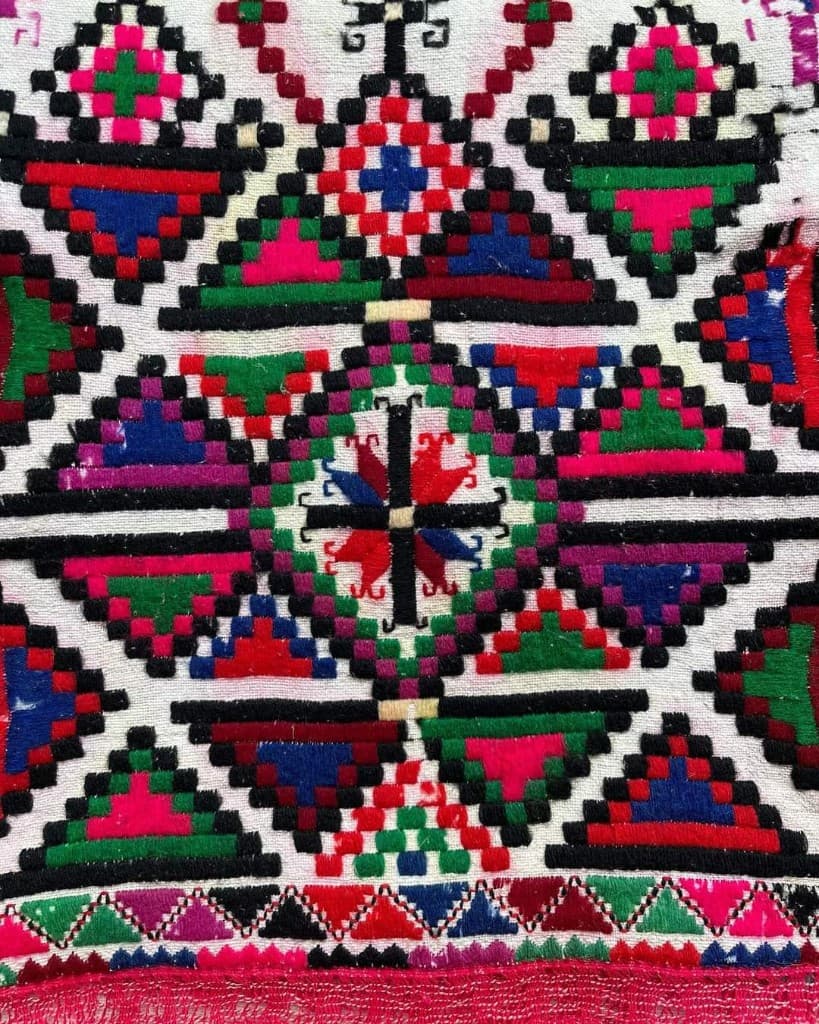
Styles differ across Ukraine’s ethnographic regions — Polissia, Galicia, Bukovyna, Hutsulshchyna, and others — making rushnyky a visual repertoire of local as well as national identity.
Materials, weaving, embroidery
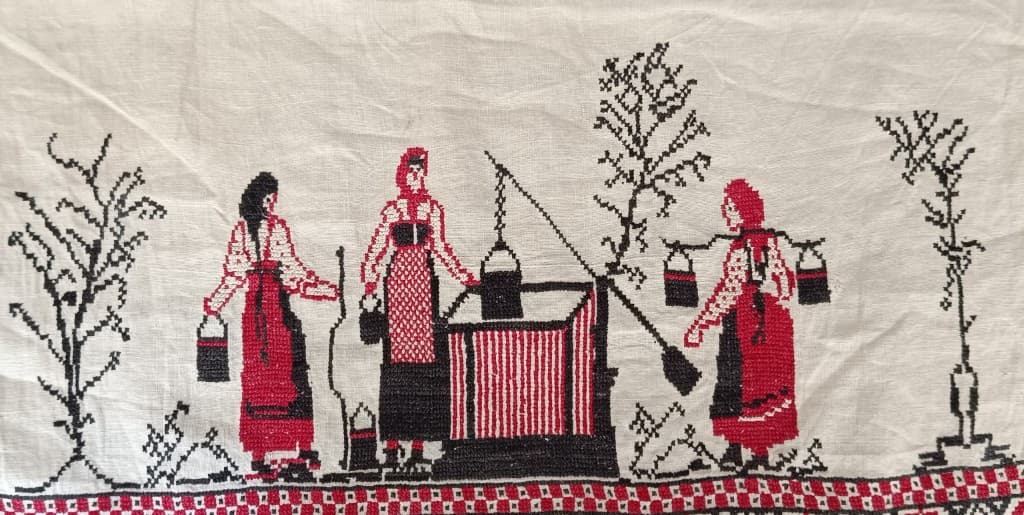
Techniques vary: hand-woven linen, cross-stitch or satin-stitch embroidery, sometimes lace or appliqué. Linen and cotton are common; colours often favour red and black on a light ground, with geometric, floral, or animal motifs depending on the region.
The rushnyk today
Today these textiles are studied and collected as witnesses to a living heritage. To conserve, document, and share them with the public is to help transmit a culture whose threads — literal and figurative — still connect Ukrainian communities worldwide.
Reference collections and institutions
In Ukraine, several institutions document, study, and present traditional textiles and rushnyky. Among the online resources:
A Kyiv museum devoted to Ukrainian folk art and traditions, including textile and ethnographic holdings.
An institution focused on Ukrainian textile heritage, research, and the promotion of rushnyky.